Shine cloths are known for their distinctive designs, carefully selected fabrics, limited availability, and personalized appeal. Unlike mass-produced fashion sold through large retail chains, boutique clothing often focuses on individuality, craftsmanship, and a more curated shopping experience. Because of these differences, Shine-cloths boutique clothes pricing can vary considerably depending on the garment, fabric, design, craftsmanship, and brand.
Understanding what influences shine cloths boutique clothes pricing can help shoppers make confident purchasing decisions and choose pieces that offer the right balance of style, quality, and value.
Introduction to Boutique Clothes Pricing
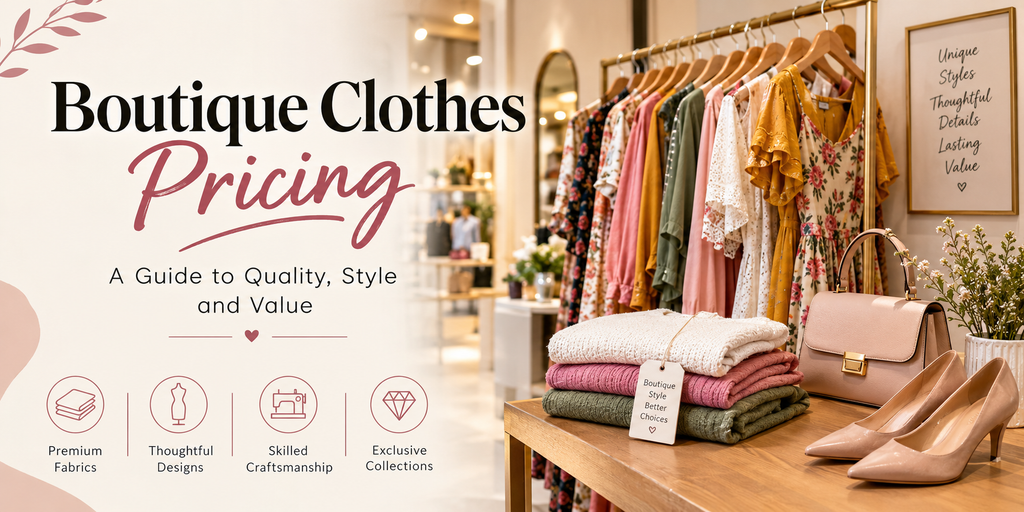
Boutique clothes pricing is an important consideration for anyone looking for stylish, unique, and quality clothing. Whether you are shopping for casual outfits, elegant dresses, ethnic wear, partywear, or designer-inspired fashion, understanding clothes pricing helps you make better purchasing decisions. Boutiques often offer carefully selected collections, distinctive designs, personalized styling, and exclusive fashion pieces that may not be available in every retail store.
The cost of boutique clothing depends on several factors, including fabric quality, stitching, design complexity, craftsmanship, and customization. Some boutiques specialize in affordable everyday fashion, while others focus on premium outfits for weddings, festivals, and special occasions.
At Shine Glance Boutique, exploring different clothing styles and price ranges can help customers find fashionable outfits that suit their preferences and budgets. By understanding what influences boutique clothes pricing, shoppers can compare products confidently and choose clothing that offers a balance of style, comfort, and value.
What Is Boutique Clothes Pricing?
Boutique clothes pricing refers to the amount customers pay for garments sold through independent fashion boutiques and online clothing stores. These prices reflect the materials, labor, design, packaging, and other expenses involved in bringing a product to customers.
Boutique clothing includes casual tops, dresses, kurtis, co-ord sets, ethnic suits, skirts, trousers, and occasionwear. Each category has different production requirements, so prices can vary considerably.
For example, a simple cotton kurti may be more affordable than an embroidered festive suit. Similarly, a ready-made dress generally costs less than a custom-designed gown that requires additional measurements, fittings, and alterations.
Boutiques may also feature limited collections, distinctive prints, handcrafted embellishments, and carefully selected fabrics. These characteristics can influence prices and give customers more options when choosing clothing that reflects their personal style.
What Determines shine cloths Boutique Clothes Pricing?
There is no single price range that applies to every boutique garment. Several factors contribute to the final price of a clothing item.
Average Boutique Clothes Pricing in India
Boutique clothing prices in India vary depending on the city, store, fabric, and type of garment. The following table provides illustrative price ranges to help shoppers plan their budgets.
These are general estimates, not fixed market rates. Actual prices depend on the individual garment, materials, workmanship, and boutique. Premium designer and bridal outfits can cost significantly more.
1. Fabric Quality
The shine-cloths fabric is one of the most important factors affecting the price of boutique clothing. Natural and premium fabrics such as silk, linen, cotton, wool, and high-quality blends can cost more than standard synthetic materials.
For example, a boutique dress made from pure silk may have a higher price than a similar-looking dress made from polyester. Fabrics with special finishes, intricate textures, embroidery, or hand-printing can also increase production costs.
Shine-cloths when comparing prices, shoppers should look beyond appearance and check the fabric composition. A well-made garment using a durable, comfortable fabric may provide better long-term value than a cheaper piece made from lower-quality material.
2. Design and Detailing
Shine-cloths boutique fashion often includes details that are not commonly found in mass-market clothing. Hand embroidery, decorative stitching, appliqué work, beadwork, special buttons, pleats, layered designs, and custom embellishments can all influence pricing.
A simple Shine-cloths boutique top may have a relatively accessible price, while a heavily embellished festive outfit can cost significantly more because of the additional time and skill involved in creating it.
The complexity of the design is therefore an important consideration when evaluating whether a boutique garment is reasonably priced.
3. Craftsmanship
Craftsmanship plays a major role in boutique clothes pricing. Garments that require careful cutting, stitching, finishing, or handwork generally require more labor.
A Shine-clothsboutique may work with skilled tailors, artisans, embroiderers, or pattern makers to produce its collections. Their expertise contributes to the overall cost of the garment.
Quality craftsmanship can also affect how a garment fits and how long it remains wearable. Strong seams, neat finishing, properly placed patterns, and carefully constructed silhouettes are signs that attention has been given to the garment’s construction.
4. Limited Production
Boutiques frequently produce clothing in smaller quantities. Instead of manufacturing thousands of identical pieces, a boutique may create a limited collection or only a few pieces in each design.
Limited production can increase the cost per garment because manufacturing expenses are distributed across fewer pieces. However, it also gives customers something different from widely available high-street fashion.
For shoppers who value exclusivity and individuality, paying more for a limited-edition boutique garment may be worthwhile.
Customization and Personalization
Many boutiques offer customization options, allowing customers to select colors, fabrics, sleeve lengths, necklines, or garment measurements.
Personalized clothing may cost more than ready-made products because it requires additional communication, design work, labor, and fittings.
Before ordering, confirm the final price, delivery timeline, alteration policy, and whether customization charges are included.
5. Brand Reputation and Exclusivity
Boutiques with established reputations, specialized design collections, or exclusive products may charge higher prices. Limited-edition pieces can also cost more because they are produced in smaller quantities.
However, a higher price does not automatically guarantee better quality. Check fabric details, stitching, product photographs, customer reviews, and return policies before purchasing.
6. Seasonal Demand
Prices can change during festive seasons, wedding periods, and major shopping events. New collections and special-occasion outfits may be priced differently from older stock or basic everyday garments.
Customers who plan ahead can compare collections and look for seasonal offers without rushing into a purchase.
Affordable Boutique Clothes Pricing
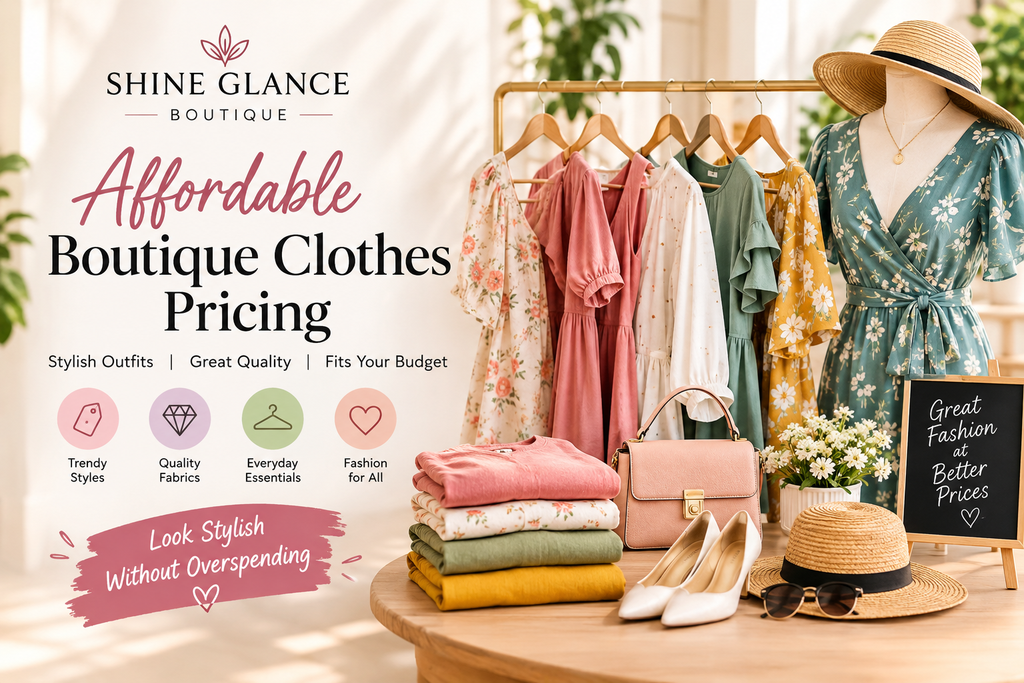
Affordable boutique clothing makes it possible to explore current fashion trends without spending beyond your budget. Many boutiques offer stylish everyday garments, versatile tops, casual dresses, and simple ethnic wear at accessible prices.
To find affordable options, focus on garments that combine practical design with comfortable materials. Neutral colors, versatile silhouettes, and easy-to-style pieces can be worn in multiple combinations.
It is also helpful to compare prices across several boutiques. Check the fabric composition, garment measurements, stitching quality, and return conditions rather than selecting a product based only on its lowest price.
Affordable clothing can provide excellent value when it fits comfortably, suits your lifestyle, and meets your expectations for quality. (clothes pricing)
Premium Boutique Clothes Pricing
Premium boutique clothing often includes better-known designer labels, distinctive fabrics, elaborate embroidery, specialized tailoring, or exclusive designs. These garments may require more time and skilled labor to produce.
Premium collections frequently include occasionwear, designer dresses, festive outfits, and statement pieces. Their prices may reflect the cost of materials, design development, production, and the boutique’s overall business expenses.
Before purchasing premium clothing, ask about fabric composition, care instructions, lining, alteration services, and any special construction details.
Choosing a premium garment is most worthwhile when its design, quality, comfort, and expected use justify the expense.
Ethnic Wear Boutique Clothes Pricing
Ethnic wear remains a popular choice for festivals, family celebrations, weddings, and cultural occasions. Boutique collections may include kurtis, salwar suits, anarkalis, lehengas, sarees, and coordinated ethnic sets.
Simple kurtis and everyday ethnic outfits are generally less expensive than heavily embroidered festive garments. Prices can rise with silk fabrics, intricate embellishments, detailed tailoring, and matching accessories.
For shoppers seeking ethnic wear, consider the occasion, expected frequency of use, comfort, and maintenance requirements. A versatile suit that works for several events may offer better practical value than a garment designed for a single occasion.
Wedding and Partywear Boutique clothes Pricing
Wedding and partywear clothing often requires more detailed design and finishing than everyday garments. Gowns, embellished suits, reception dresses, and bridal outfits may feature decorative embroidery, layered fabrics, specialized construction, and customized fittings.
These additional requirements can increase the overall price.
When shopping for wedding clothing, establish a budget before exploring collections. Remember to account for possible alterations, footwear, accessories, and garment care.
If you are ordering a custom outfit, confirm the delivery date and fitting schedule well in advance, particularly during busy wedding seasons.
Online Boutique Clothes Pricing
Online boutiques allow customers to explore clothing collections without visiting a physical store. They may offer casual wear, ethnic fashion, dresses, co-ord sets, and occasionwear across different price ranges.
When comparing online boutique clothes pricing, review the product description carefully. Pay attention to fabric composition, available sizes, garment measurements, lining, included accessories, shipping charges, and return conditions.
Product photographs can help you understand a garment’s design, but they may not always show its texture or exact color accurately. Customer reviews and additional product images can provide useful context.
Before placing an order, check whether shipping is included in the listed price and whether customized garments are eligible for returns.
How to Choose Boutique Clothes Within Your Budget
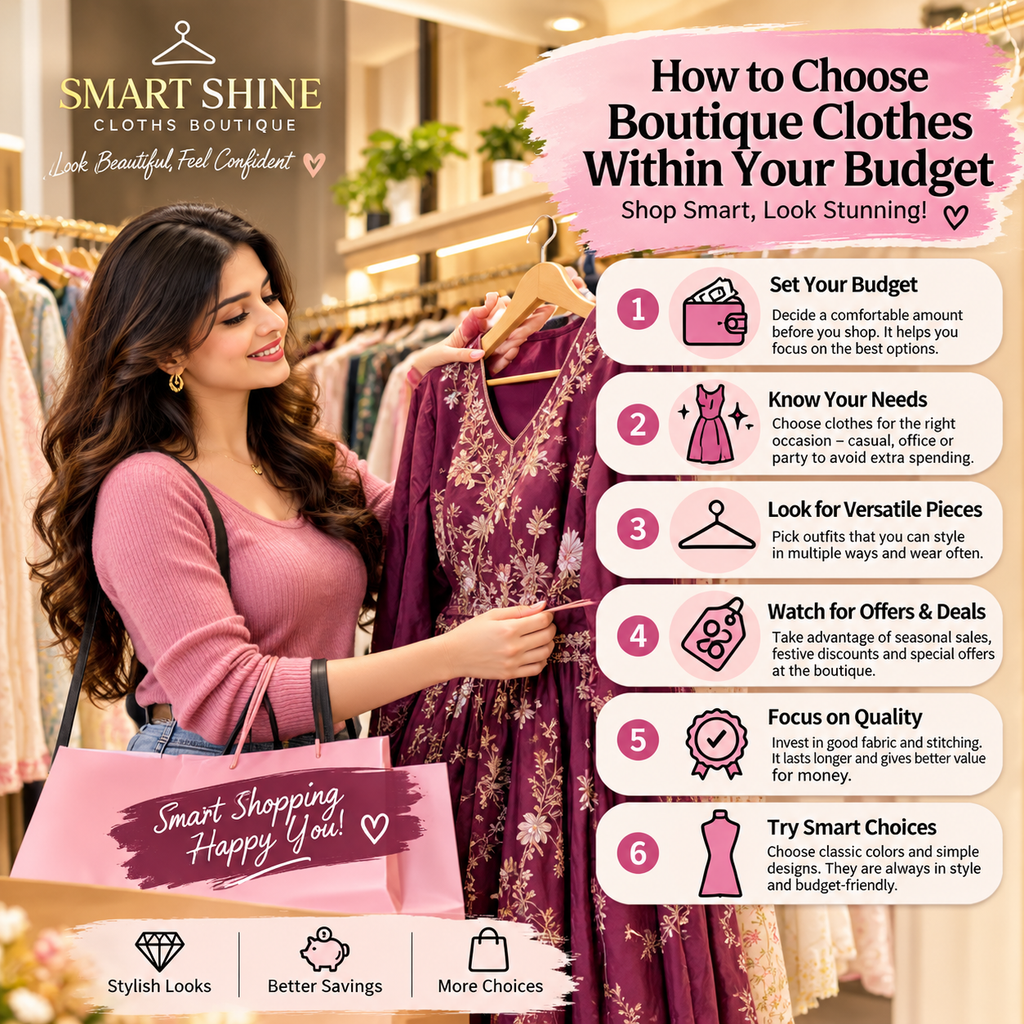
Shopping for boutique clothing becomes easier when you establish your priorities before browsing.
- Set a budget: Decide how much you can comfortably spend on an outfit.
- Identify the occasion: Everyday clothing and wedding outfits have different requirements.
- Compare materials: Consider comfort, durability, and care instructions.
- Check the fit: Review size charts and ask about alteration charges.
- Evaluate craftsmanship: Look for neat stitching, secure embellishments, and appropriate finishing.
- Review the final cost: Include shipping, tailoring, and additional accessories where applicable.
- Read store policies: Understand exchanges, returns, cancellations, and customized-order conditions.
These steps help you compare products fairly and select clothing that meets your needs.
Are Boutique Clothes Worth the Price?
Boutique clothes pricing can be worth the price when they provide the style, comfort, quality, and fit you want. Some boutiques offer distinctive designs and personalized service, while others focus on affordable, trend-inspired collections.
The best choice depends on your individual priorities. A reasonably priced garment with comfortable fabric and good construction may be a better purchase than a more expensive outfit that does not suit your needs.
Consider how frequently you will wear the garment, how easily it can be styled with existing clothing, and whether it requires special maintenance.
Thinking about long-term use rather than price alone can help you make more informed shopping decisions.
Typical Shine cloths Boutique Clothes Pricing
Boutique clothing can cover a broad range of budgets. Clothes pricing vary based on location, fabric, craftsmanship, brand positioning, and the type of garment.
As a general guide, everyday boutique tops, shirts, and casual separates may fall into an affordable-to-mid-range category. Dresses, coordinated sets, premium fabrics, and detailed designs generally occupy a higher price range. Occasion wear, bridal-inspired outfits, hand-embroidered garments, and designer-style pieces can command considerably higher prices.
Rather than focusing only on the lowest available price, shoppers should compare garments based on material, construction, originality, finishing, and expected use.
For example, a ₹2,500 boutique dress made from a quality fabric and designed for repeated wear may offer better value than a ₹1,500 garment that loses its shape or finish after a few washes.
Boutique clothes Pricing vs. Mass-Market Clothing
One of the biggest differences between boutique and mass-market clothing is the production model.
Large fashion retailers often manufacture garments at high volumes. This allows them to spread manufacturing, logistics, marketing, and other expenses across a large number of products.
Shine cloths boutiques generally operate on a smaller scale. Their collections may involve more careful selection, smaller production runs, specialized craftsmanship, and more personalized service.
As a result, a boutique garment may have a higher price even when the difference in appearance seems small at first glance.
However, boutique fashion can provide advantages such as distinctive designs, limited availability, better fabric choices, customization options, and closer attention to fit and finishing.
How to Tell If Boutique Clothing Is Worth the Price
Price alone does not determine whether a garment is good value. Before purchasing, consider several factors.
Check the fabric: Look at the material composition and assess whether it is suitable for the garment and intended use.
Examine the stitching: Check seams, hems, zippers, buttons, and other construction details.
Consider versatility: A garment that can be styled for multiple occasions may provide greater value.
Look at the fit: A well-fitting garment can be more valuable than a cheaper item that requires significant alterations.
Think about durability: Consider whether the fabric and construction are likely to withstand regular use and washing.
Evaluate uniqueness: If the design is exclusive or produced in limited quantities, that may be part of its value.
Check care requirements: Delicate fabrics or detailed embellishments may require special cleaning, which can add to the overall cost of ownership.
Customization and Alteration Costs
Some boutiques offer customization, which can affect the final clothes pricing. Customers may request changes to sleeve length, neckline, hemline, color, embroidery, or overall fit.
Shine-cloths customization can be particularly useful for special occasions because the garment can be adjusted to individual preferences. However, additional fabric, labor, or design work may result in extra charges.
Before confirming a customized order, it is sensible to ask about the total price, alteration charges, delivery timeline, and return or exchange conditions.
Seasonal and Occasion-Based clothes Pricing
Shine cloths boutique clothes pricing may also change depending on the season or occasion. Festive collections, wedding wear, holiday edits, and new-season launches may feature more elaborate designs and premium fabrics.
At other times, boutiques may offer end-of-season sales to clear older collections and make space for new arrivals. These periods can provide opportunities to purchase higher-priced garments at reduced prices.
Shoppers should still evaluate the garment’s quality and usefulness rather than buying simply because an item has been discounted.
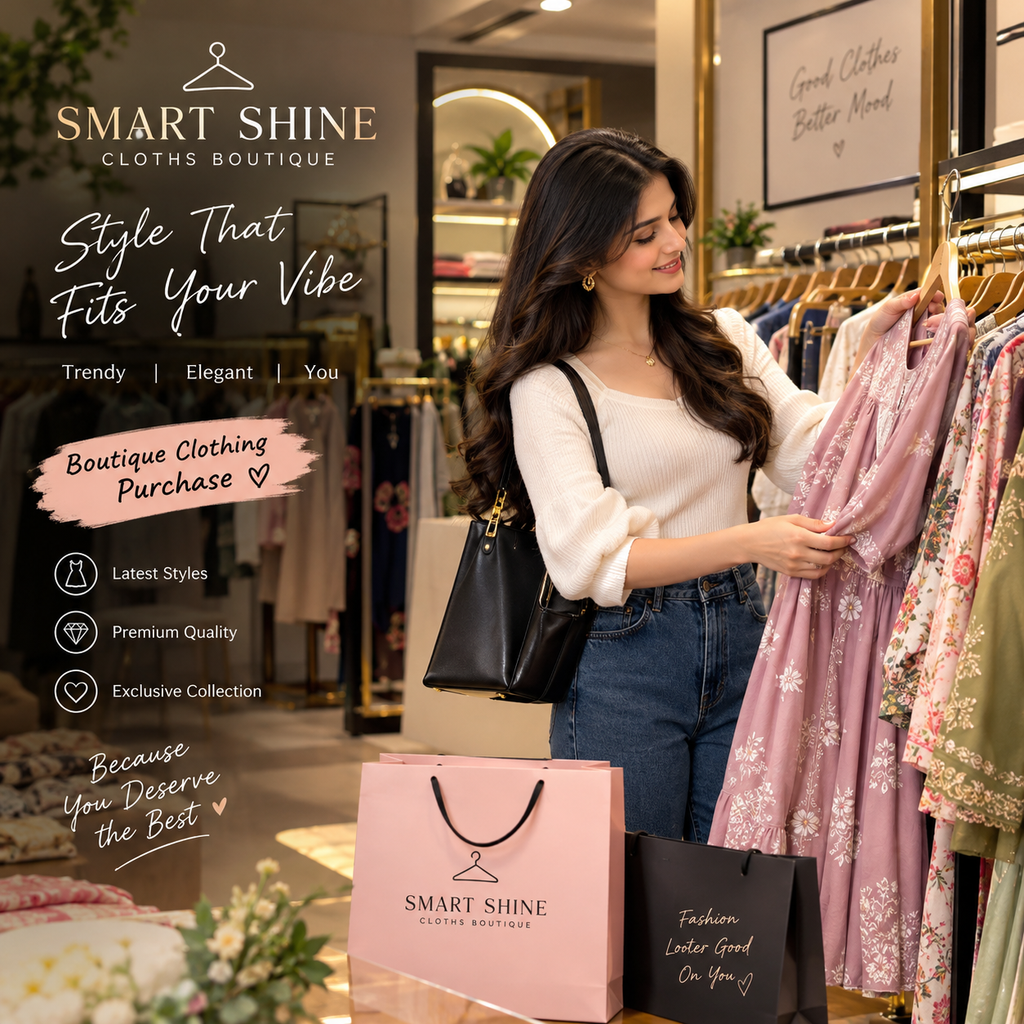
Making a Smart Shine-cloths Boutique Clothing Purchase
Before purchasing, compare similar garments across boutiques and consider what is included in the price. A higher price may be justified by superior fabric, skilled craftsmanship, limited production, customization, or distinctive design.
It is also helpful to establish a budget before shopping. Having a clear spending limit makes it easier to focus on garments that provide genuine value rather than being influenced solely by trends.
Final Thoughts
Boutique clothes pricing reflects much more than the appearance of a garment. Fabric quality, craftsmanship, design complexity, production quantity, customization, and brand positioning can all influence the final cost.
For shoppers, understanding these factors makes it easier to compare boutique garments fairly and identify pieces that are worth the investment. Whether you are looking for an everyday outfit, a statement dress, festive clothing, or a customized ensemble, considering quality alongside price can help you make a more satisfying purchase.
Boutique fashion offers an opportunity to choose clothing that feels more personal and distinctive. With careful comparison and attention to materials and construction, shoppers can find beautiful boutique pieces that fit both their style and their budget.
Boutique clothes pricing depends on fabric quality, craftsmanship, design complexity, customization, and the type of garment. From affordable everyday tops to premium ethnic wear and wedding outfits, boutiques provide options for different styles and budgets.
Understanding these factors helps shoppers compare clothing confidently and choose products that offer practical value. At Shine Glance Boutique, customers can explore fashion possibilities while considering comfort, personal style, quality, and affordability.
Whether you are searching for casual clothing, elegant dresses, ethnic outfits, or special-occasion fashion, taking time to compare prices and product details can make your shopping experience more satisfying. The right boutique outfit is one that makes you feel comfortable, suits the occasion, and fits your budget.